

How Long Does Kitchen Cabinet Painting Take in Orlando, FL? A Realistic Timeline From Prep to Cure
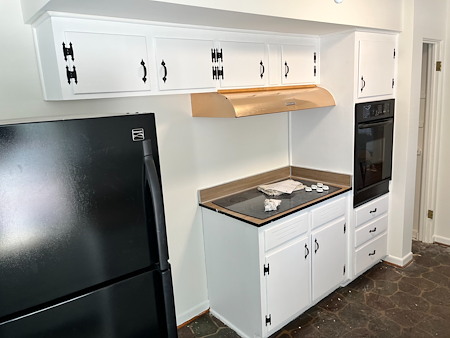
If you are planning a cabinet refresh in Orlando, timing matters. Between high humidity and busy family schedules, you want to know exactly when you can cook again and when the finish is tough enough for daily life. This guide walks you through the full cabinet painting timeline from first prep to full cure so you can plan with confidence. If you are considering professional help, learn how kitchen cabinet painting is handled by a pro team in Central Florida conditions.
What “Dry” Means Versus “Cured”
Cabinet coatings pass through stages. Dry to the touch comes first. It can feel set in a few hours. That does not mean the coating has reached full hardness. Curing is the chemical process that strengthens the finish. It keeps improving for days and sometimes weeks after the last coat.
- Dry to touch: often within 1–2 hours per coat, depending on the product and weather.
- Ready for gentle use: usually 24–72 hours after final coat, if humidity is controlled.
- Full cure: commonly 14–30 days, with climate and product choice making the biggest difference.
Do not judge readiness by feel alone. Even if doors feel dry, the finish can still scratch or imprint during the cure window.
A Day-By-Day Timeline That Fits Orlando Weather
Every home is different, but most cabinet projects around Lake Nona, Winter Park, College Park, and Dr. Phillips follow a similar flow. Here is a realistic schedule for a typical medium-size kitchen with standard painted finishes. Conditions like rainy afternoons or very high humidity can extend some steps.
Day 1: Site Prep and Degreasing
Pros label doors and drawers, protect counters, floors, and appliances, and set up a contained work zone. Cabinets are thoroughly cleaned to remove oils and cooking residue. Light to moderate sanding follows to create a good bond surface.
Day 2: Masking and Priming
Full masking seals off openings and protects the home. Primer is applied to block stains and help paint adhere. In Orlando’s humidity, airflow helps. With AC on and fans moving air through a dust-free zone, primer can be ready for sanding and recoating the same day or by the next morning.
Day 3: First Color Coat
After a fine sand, the first color coat is applied. Many professional waterborne finishes can be recoated in several hours if temperature and humidity are managed. The goal is smooth, even coverage with proper dry times between coats.
Day 4: Second Color Coat and Detail Work
The second coat builds durability and depth of color. Edges, profiles, and panels get close attention. Hardware holes are checked for alignment. If needed, a third touch-up pass may address minor thin spots.
Day 5: Reassembly and Cleanup
Doors and drawers are reinstalled, bumpers added, and everything is wiped free of dust. Final walk-through ensures smooth operation and a consistent sheen. The kitchen is usually usable for light tasks once doors and drawers are back in place and the finish has set overnight.
High humidity days can add buffer time. When afternoon storms roll through Orlando, it is common to extend ventilation or wait longer between coats to protect the finish.
How Long Your Kitchen Is Unusable
Plan for the kitchen to be limited for 3–5 active workdays. During prep and spraying, the room will be sealed off. You might still use a microwave or small appliances in another area of the home. Once reassembled, light use is fine if you handle doors gently and keep surfaces dry.
- Light use window: Often 24–72 hours after final coat. Open doors with clean, dry hands and avoid leaning heavy items against fronts.
- Normal use window: Usually after the first week. You can resume regular cooking and cleaning with a soft cloth and mild soap.
- Full-strength window: After cure, often 14–30 days. That is when the finish best resists scuffs, chemicals, and stacked countertop items.
Avoid harsh cleaners and heavy magnets on freshly painted surfaces during the first month. Gentle care protects the look while the coating gains strength.
What Affects Dry and Cure Time In Central Florida
Orlando’s climate plays a real role. Heat speeds evaporation, but humidity slows it. Indoor control is the key. Here are the biggest factors that change the schedule in neighborhoods like Baldwin Park and Conway.
Humidity and Airflow
Air conditioning helps lower humidity and keep temperatures steady. Light, clean airflow across drying doors is good. Direct blasts or dusty fans are not. In very damp weeks, a dehumidifier keeps the finish on track.
Cabinet Material and Previous Coatings
Hardwoods, veneers, and MDF accept coatings differently. Cabinets previously coated with heavy varnish or oil-based products may need extra prep or bonding steps to avoid peeling and bleed-through. That can add a day to the schedule.
Color Changes
Going from dark to light or switching to a high-contrast color can require an extra coat to cover. That is a small addition in time that pays off in a clean, even result.
Modifications and Upgrades
Adding crown, trim, new end panels, or soft-close hardware adds work and dry time for fillers and finishes. If you are considering changes while you paint, explore your options on cabinet modifications so the plan and timeline stay realistic.
Drying Time vs. Curing Time: What To Expect Week By Week
Right after the last coat, painted surfaces begin to set. Within several hours, they are dry to the touch. Over the next one to three days, the film gets firm enough for light use. The deeper chemical cure continues for two to four weeks. During this period, treat the finish with care.
Week 1: Keep doors clean and dry. Avoid wiping aggressively. If a smudge appears, dab lightly with a damp microfiber cloth and pat dry. You might notice a slight paint scent that fades as solvents or water evaporate.
Week 2: The finish hardens more. You can resume gentle cleaning. Avoid placing freshly washed pots or towels against doors. Let items dry fully before storing to prevent trapped moisture.
Weeks 3–4: Most professional coatings reach full cure in this window. Normal cleaning and use can resume. Many homeowners in Winter Park and College Park schedule final organizer installs, child locks, or adhesive bumpers at this point to avoid imprinting the new finish too soon.
For product-specific cure times, always follow the manufacturer’s label. If in doubt, wait. A few extra days protect the long-term look.
The Pro Process That Keeps Timelines On Track
Experienced crews use a system that reduces delays and keeps dust and humidity from working against you. At Repaint Florida LLC, our team maintains a controlled workflow and clear communication so you know what is happening each day.
Here is how a professional approach protects your schedule:
Clean zone setup matters. A sealed work area, HEPA filtration, and labeled parts prevent dust nibs and mix-ups that cause rework. Fine scuff sanding and a bonding primer help the color coat lay smooth and cure stronger.
Consistent recoat timing. Pros measure temperature and humidity to time sanding and recoats. That means fewer surprises, better adhesion, and a predictable finish window.
Finish handling. Doors dry on racks so air reaches every edge. Soft pads and proper spacing avoid imprints. Hardware goes back only when the coating can handle careful touch.
Local scheduling know-how. Afternoon storms and peak pollen weeks can affect open-air work. With indoor control and good planning, your project stays on a steady path.
Smart Planning Tips For Orlando Homeowners
Set yourself up for a smooth week. Clear counters and empty the most-used drawers the night before. Plan a simple meal plan or takeout for three to four days. If you have pets or young kids, decide where gates or play areas will go while the kitchen is sealed.
Choose dates that fit your calendar. Many Orlando families plan projects between school terms or before hosting guests. If you are coordinating new counters, backsplash work, or appliance swaps, allow extra time so trades do not crowd the space.
Want more background before you start? Get to know kitchen cabinet painting in Orlando, FL as a service and see how the steps align with your home’s layout.
A Realistic Example Timeline
Here is a sample sequence for a medium kitchen in Orlando that needs stain blocking, two color coats, and careful reassembly. Your project may be faster or slower based on size, wood type, previous coatings, and weather.
Day 1: Protect floors and counters, remove and label doors and drawers, degrease, sand, and wipe down. Set up drying racks. Apply bonding primer to boxes and doors.
Day 2: Sand primer smooth, address knots or stains, spot prime as needed. Mask and tidy the space. Apply the first color coat to boxes and doors with controlled airflow.
Day 3: Light sand for smoothness. Apply the second color coat for full coverage and color depth. Maintain AC to control humidity.
Day 4: Inspect, touch up, and begin reassembly. Install bumpers and adjust hinges for clean lines. Remove masking and perform a detailed cleanup.
Day 5: Final adjustments, polish hardware, and walk-through. The kitchen is ready for light use that evening or the next day, with full cure continuing over the next few weeks.
When You Can Resume Normal Cleaning
Gentle wiping with a soft, damp cloth is usually fine after the first week. Skip abrasive pads and strong chemicals during the cure period. Microfiber and mild soap protect the finish. If an accidental nick occurs before full cure, note the spot. Small touch-ups can be handled after the coating has fully hardened so repairs blend well.
Why Pros Quote Ranges, Not Exact Hours
Cabinet painting is precise work. A great finish needs the right surface prep, film build, and recoat timing. In Central Florida, outdoor humidity can change in an hour. That is why seasoned teams in Orlando give time ranges and then manage the job to the better end of the window.
If your project includes upgrades like new trim or door style changes, factor in the added steps. The best plan is one schedule that covers prep, coating, modifications, and cure together so you are not opening the kitchen, then closing it again later.
Make Your Timeline Work For Your Life
Think about school pickups in Lake Nona, a busy sports week in Baldwin Park, or a weekend of guests in Winter Park. Share your calendar with your painting team at the start. With clear communication, you can time the work so the most limited days land when you are ready for them.
For many families, the key is managing the first 72 hours after final coat. Keep doors dry, use light pressure, and open with clean hands. Let cookware and containers air-dry fully before putting them away. After the first week, you will feel a clear difference in hardness and confidence using the space.